The Ministry of Education is repositioning every school and college as a centre of practical production, enterprise and innovation — linking classroom theory to real outputs, real skills and real income under the Grow Zambia Agenda.
The Grow Zambia Agenda places production and productivity at the centre of national economic transformation. Schools have a critical role: equipping learners with practical skills, creativity, problem-solving and enterprise thinking.
Production units are primarily for learning and skills development. Schools are not directed to abandon their core educational mandate or to operate as commercial businesses.
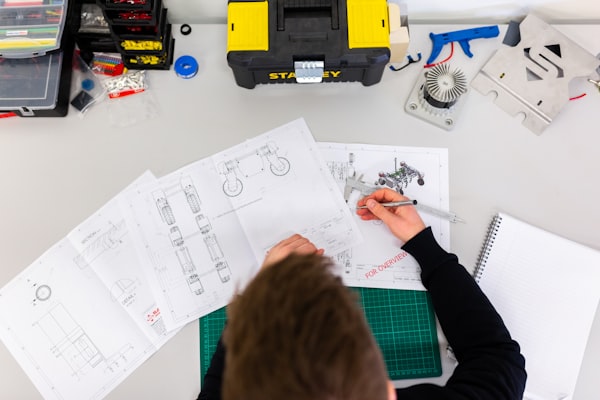
Schools must deliberately link production units to the curriculum. Learners in metalwork, carpentry, agriculture, tailoring, ICT and related subjects should apply classroom knowledge through real fabrication, projects and production.
Units complement teaching by giving learners practical experience in skills, creativity, teamwork, responsibility, entrepreneurship and problem-solving.
Emphasis is on learning by doing: how ideas become products or services, how quality is maintained, how resources and costs are managed, and how value is added.
Every Production Unit falls under one of six national thematic areas — each with its own strategy, programmes and aggregated national KPIs from 11,000+ schools.
A concrete, time-bound reporting chain from every school to the Ministry — this is how Grow Zambia becomes real.
Data flows from the school level up to the national level, ensuring that every Production Unit activity is captured, consolidated and reported accurately.
Each level has defined responsibilities to ensure effective implementation, monitoring and evaluation of Production Units.
| School | District | Thematic Area | Status | Learners | Output |
|---|---|---|---|---|---|
| Kalonga High School | Chirundu | Agriculture | Operational | 420 | 2.4 MT maize |
| Chirundu Community School | Chirundu | Design & Technology | Strengthening | 280 | 48 desks produced |
| Pambazana Secondary | Chirundu | Wholesale & Retail | Proposed | — | — |
| Lusitu Primary School | Chirundu | Agriculture | Operational | 310 | 1.1 MT groundnuts |
From primary school to national level, each tier has a defined committee with clear responsibilities: familiarise, disseminate, train, monitor, assess, evaluate, hold Expos and exhibit at Agricultural Shows.
Aggregated from 11,000+ schools, each thematic area delivers specific outcomes aligned to the 8NDP, Vision 2030 and the Grow Zambia Agenda. Not just numbers — real impact.
"The education system has a critical role in this transformation. If Zambia is to become a more productive nation, we must develop an education system that does not only impart knowledge and qualifications, but also equips learners with practical skills, creativity, problem-solving abilities, enterprise thinking and an understanding of production."
Based on the 2023 Zambia Curriculum Framework
| Competence | Agric | D&T | Retail | Tourism | Transport | Real Estate |
|---|---|---|---|---|---|---|
| 1. Critical Thinking | ✓ | ✓ | ✓ | ✓ | ◐ | ◐ |
| 2. Problem Solving | ✓ | ✓ | ✓ | ✓ | ✓ | ✓ |
| 3. Creativity & Innovation | ✓ | ✓ | ✓ | ✓ | ◐ | ◐ |
| 4. Communication | ✓ | ✓ | ✓ | ✓ | ✓ | ✓ |
| 5. Collaboration & Teamwork | ✓ | ✓ | ✓ | ✓ | ✓ | ✓ |
| 6. Digital Literacy | ◐ | ✓ | ✓ | ✓ | ◐ | ◐ |
| 7. Financial Literacy | ✓ | ◐ | ✓ | ✓ | ✓ | ✓ |
| 8. Entrepreneurship | ◐ | ◐ | ✓ | ✓ | ✓ | ✓ |
| 9. Citizenship | ✓ | ✓ | ✓ | ✓ | ✓ | ✓ |
| 10. Environmental Awareness | ✓ | ✓ | ◐ | ✓ | ◐ | ◐ |
| 11. Health & Wellness | ✓ | ◐ | ✓ | ✓ | ◐ | ◐ |
| 12. Lifelong Learning | ✓ | ✓ | ✓ | ✓ | ✓ | ✓ |
✓ Fully evidenced · ◐ Partially evidenced
The matrix above demonstrates how the six Production Unit thematic areas align with the 12 core competencies of the 2023 Zambia Curriculum Framework. Fully evidenced competencies (✓) indicate direct, authentic integration through production activities. Partially evidenced competencies (◐) indicate emerging or supplementary integration opportunities.
Access the complete set of official Production Unit publications, organised into seven categories. These documents provide the policy, implementation and reporting framework for the Grow Zambia Agenda.
Quarterly reports from Provincial Education Officers, DEBS and Heads of Schools — comprehensive evidence of skills acceleration, impact, productivity and outputs.
"In Southern Province, 62 schools have established production units ranging from poultry to carpentry. Learners are not just passing exams — they are running enterprises. This is the Grow Zambia Agenda in action."
"Chirundu District has exceeded its 2026 target — 38 schools now have operational production units. The desks produced by our learners have furnished 12 primary schools. Real impact, real outputs."
"Our agriculture learners harvested 2.4 MT of maize this season. That's not just food for the school — it's proof that classroom theory works when applied. The learners are proud. The community is watching."
"Twinning linkages between urban and rural schools have created a real market for PU products. Urban schools buy from rural schools; rural schools learn enterprise skills. This is the intra and inter reflux the policy envisioned."
"Our school tuck-shop, run entirely by learners, generated K12,000 last term. The learners manage stock, pricing and customer service. They are learning business by doing business."
From boreholes to harvest, from workshops to market — witness Zambia's schools transforming into productive engines of national development.
The Production Unit Tracking Software is now live, enabling real-time monitoring of all 11,000+ schools across Zambia.
47 schools in Luapula Province report operational fish ponds and poultry units, exceeding quarterly targets by 18%.
12 urban-rural twinning agreements signed in Chirundu District, creating new markets for school-produced goods.
Anchored in National & Global Frameworks
All Provincial Education Officers, District Education Board Secretaries and Heads of Schools are directed to give this initiative the attention it deserves and to ensure implementation begins within the timelines provided.